Sustainable Visions:
Designing Sustainable, Intelligent Architecture for a Changing World
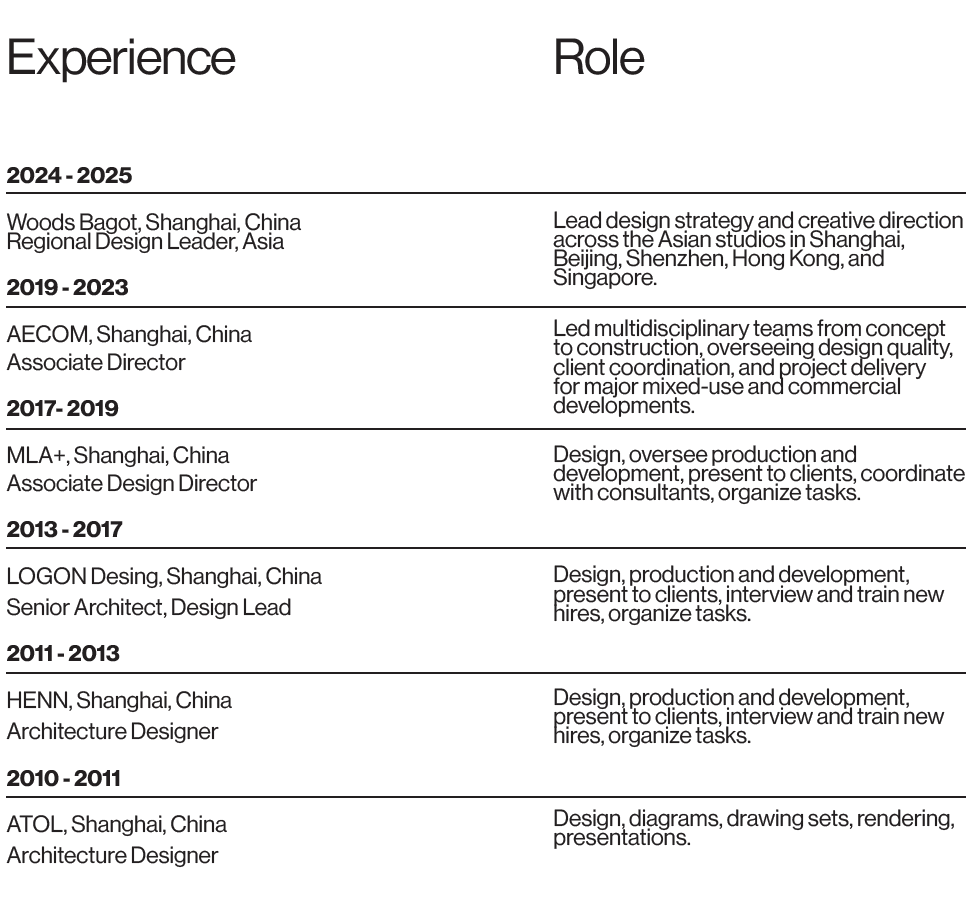
My name is Eduardo Hidalgo, and I am an Ecuadorian architect based in Shanghai. Over the past 15 years, my work has taken me across Italy, Germany, the Netherlands, Belgium, the United States, Mexico, Ecuador, the Philippines, and China, giving me a broad understanding of how different cultures, climates, and urban conditions shape the built environment. These global experiences have influenced the way I design—always with a strong respect for context, a commitment to sustainability, and a focus on delivering value to clients.

In 2022, I was recognized as one of Asia’s rising architects through the A&D “40 Under 40” Award, and several of my projects received honors from the MUSE Design Awards and the International Property Awards. These recognitions reflect the dedication, creativity, and collaborative spirit that guide my work every day.
A Design Philosophy Grounded in Purpose and Context
To me, architecture is not simply about creating buildings; it is about shaping environments that improve life. Every project begins with an understanding of context—its culture, its people, its climate, and its potential. I strive to design spaces that are clear, bold, balanced, and meaningful, with a strong emphasis on how people will use them and how they will evolve over time.
Architecture is fundamentally collaborative. I see the design process as an ongoing dialogue between clients, consultants, communities, and designers. The best ideas emerge when diverse perspectives come together with a shared purpose: to create places that are functional, beautiful, and culturally rooted.
Sustainable Architecture as a Core Principle
Sustainability is at the center of my approach. I believe that buildings should not only occupy a site—they should contribute to it. This means designing with passive strategies, reducing energy consumption, integrating landscape intelligently, and thinking holistically about long-term performance. Sustainable architecture is not just environmentally responsible—it improves user comfort, reduces operational costs, and enhances the resilience of cities.
In every project, I aim to balance design quality with environmental responsibility, ensuring that decisions are aligned with the client’s goals while also supporting a healthier and more sustainable built environment.

Technology and AI as Tools for Smarter, Better Buildings
In recent years, I have focused on how technology and AI can support more sustainable and efficient architecture. By integrating AI-assisted design, computational tools, and performance-driven analysis, I can test ideas faster, explore more possibilities, and create solutions that respond dynamically to environmental conditions.
AI and digital technologies make the design process more transparent, more predictive, and ultimately more aligned with the client’s needs. They help us imagine buildings that adapt, optimize resources, reduce waste, and approach the idea of “living architecture”—architecture that responds, learns, and evolves.
Collaboration and Client Partnership
Throughout my career, I have learned that successful projects are built on strong relationships. I enjoy working closely with clients, guiding them through the design process, and ensuring that their vision is translated into a clear architectural strategy. My role often involves leading multidisciplinary teams, coordinating with local design institutes, and maintaining the design integrity from concept through construction.
I believe in working transparently, communicating clearly, and building trust through consistent performance and a deep understanding of each client’s priorities.
Looking Ahead: Designing a More Sustainable and Intelligent Future
As cities evolve and technology advances, architecture must respond with intelligence and responsibility. I remain committed to exploring how AI, sustainable materials, digital tools, and contextual design strategies can elevate the quality of the built environment. My goal is to create architecture that is both innovative and grounded—architecture that enhances communities, respects nature, and delivers long-term value.
The future of design lies in combining technology, sustainability, and human-centered thinking. I look forward to collaborating with people and organizations who share the belief that architecture can inspire, adapt, and create positive change.